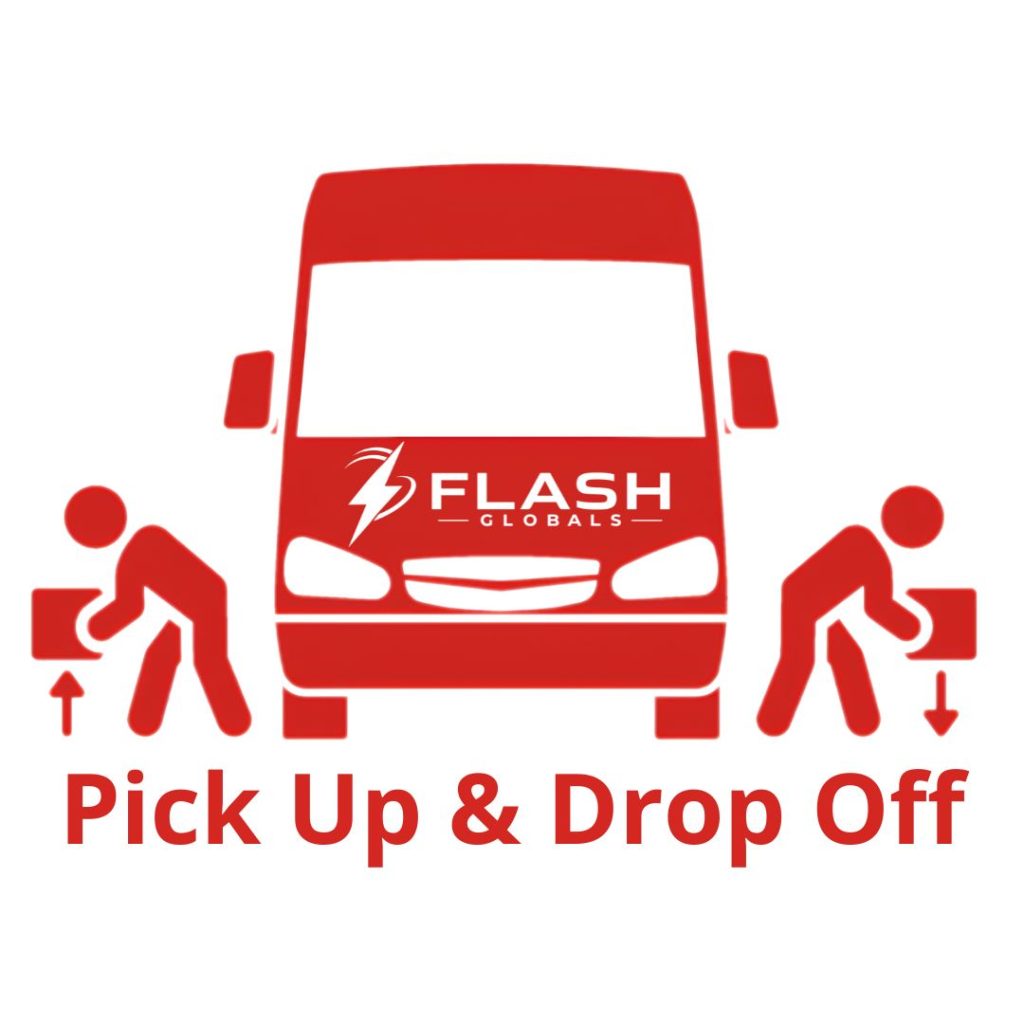
Pick Up and Drop Off?
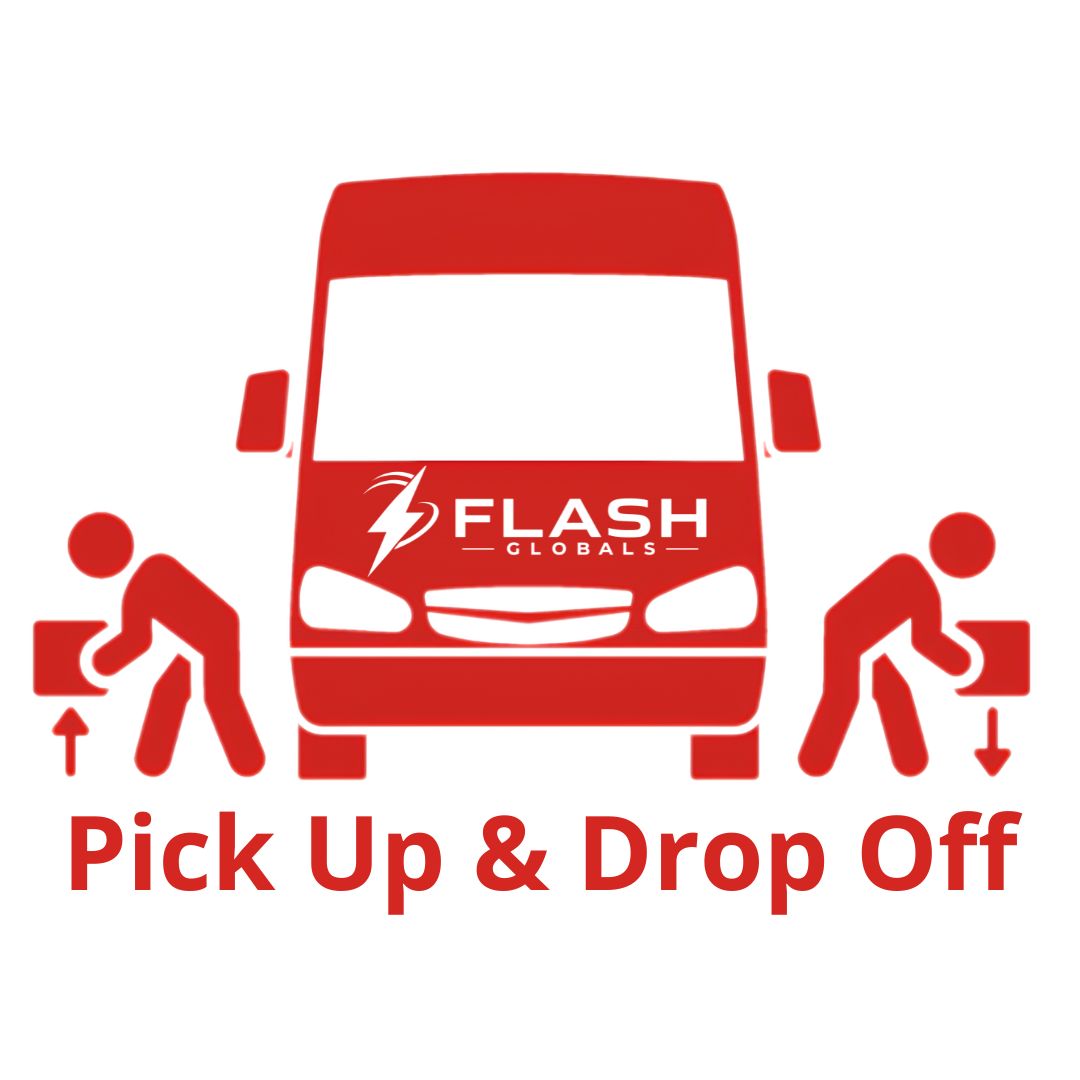
Ever heard the terms Pick Up and Drop Off?
Or maybe you often hear about the pickup truck, or "pikap" as it's often called in Indonesia…?
Well, that English term comes from what the vehicle does: it's an open-bed vehicle commonly used to haul goods.
Want to dig a little deeper? Read on
A Quick Definition of Pickup and Drop Off
In general, Pick Up is the process of collecting an object (usually goods) or picking up a person at the starting location or from the sender.
and Drop Off is the process of delivering or dropping a person off, or handing over an object, at the intended destination or to the recipient
A Quick Technical Definition
Pick Up (Collection): The process in which a transport or shipping service provider collects goods or picks up passengers at the point of origin (the sender's location). This is part of the First-Milestage.
Drop Off (Delivery/Handover): The process of handing over goods or dropping off passengers at the destination (the recipient's location). This is part of the Last-Mile stage.
For example, with an online motorcycle taxi (ojek online) service, Pick Up means collecting the passenger at the starting location
and Drop Off means taking the passenger all the way to their destination.
In everyday terms, it's simply "pick-up and drop-off" (antar-jemput).
So how are Pick Up and Drop Off defined from the perspective of supply chain theory, and what else is related to them?
Here is more complete information about Pick Up and Drop Off in the article below.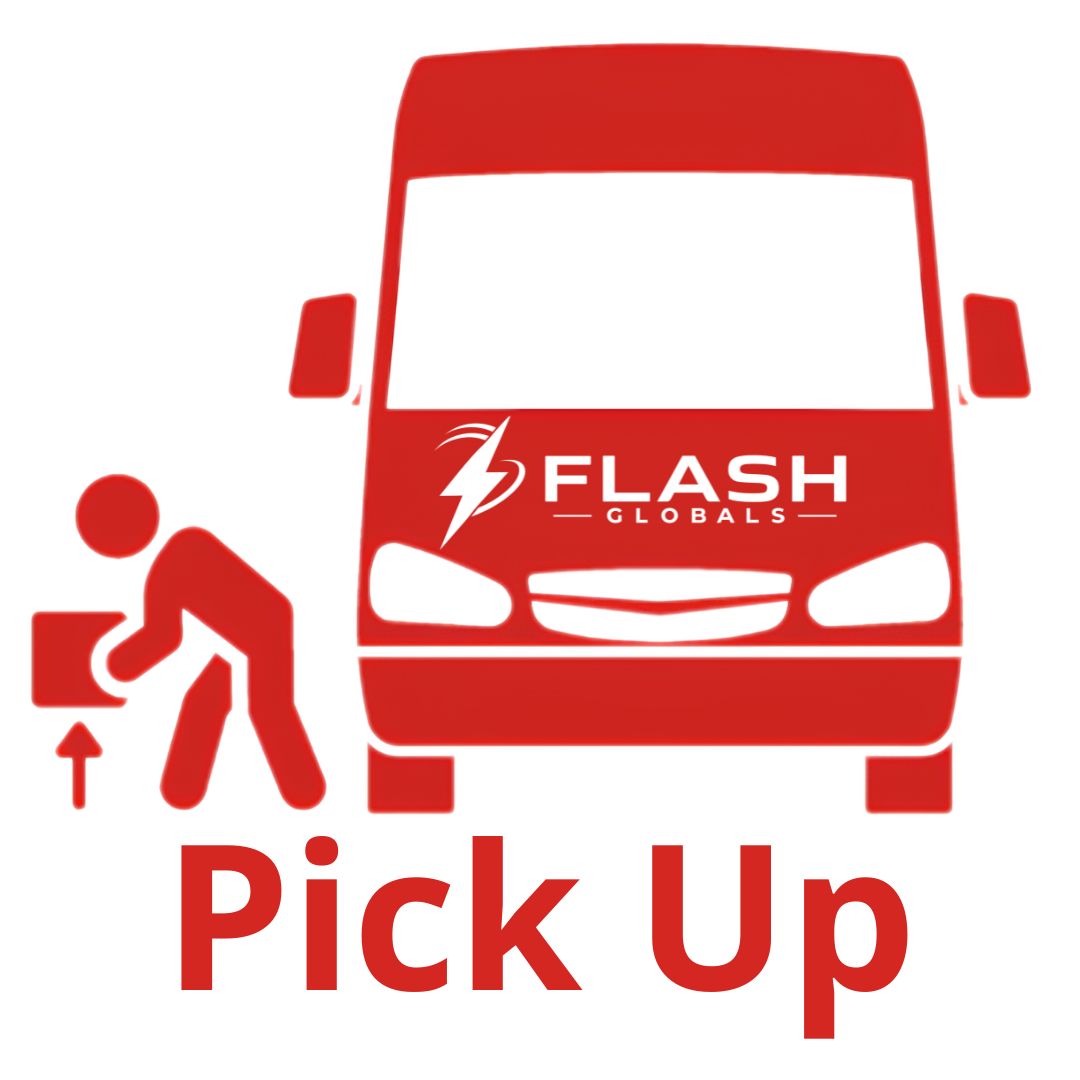
What Pick Up Means
In English, according to an English–Indonesian dictionary , the word "pick" means to take or choose, and "up" refers to an upward movement (lifting).
So it literally means taking something by lifting it up; in practice, it means collecting or picking something up.
In transport services, Pick Up refers to collecting an object or picking up a person so they can be delivered or sent on.
To be more specific: In Passenger Transport Pick up refers to collecting passengers from their starting location, such as a taxi picking up a passenger from home or a school bus collecting students at a meeting point.
Whereas In Logistics Pick up is the process in which a courier collects a load or parcel directly from the sender's address.
This activity is part of the First-Mile Logisticsstage, in which goods are collected from the sender and taken to a consolidation warehouse or the nearest transit hub .
What Drop Off Means
According to an English–Indonesian dictionary, the word "drop" means to put down or lower, while "off" has many meanings; in this context it indicates releasing something or completing a handover at a particular location.
So it means putting the person or object down at the intended destination.
Real-world examples: In Passenger Transport Drop off means letting passengers out safely at their final destination.
Whereas In Logistics, Drop off has two main contexts:
-
-
Recipient's Perspective (Last-Mile): The courier unloads and hands the parcel directly to the final recipient's address.
-
Sender's Perspective (Self-Service): The customer drops off their goods by going directly to the nearest shipping outlet or agent to hand over the parcel to be sent (without requesting a courier pickup).
-
How Pick Up & Drop Off Fit into the Supply Chain and Logistics
Now that you know the definitions of Pick Up and Drop Off,
in supply chain logistics, Pick Up and Drop Off each have their own place…
In the First Mile stage, where goods are sent from the starting location to the shipper's warehouse, the shipper performs a Pick Up at the starting location
Drop Off, meanwhile, happens at the Last Mile, where the shipper hands over the goods at the destination to the recipient
We'll cover the First Mile and Last Mile in more detail in another article…
Want a clearer, more complete picture of the differences? Check out the table below
Differences Between Pick Up & Drop Off
| Difference | Pick Up Service | Drop Off Service |
| Activity | Collection from the point of origin (Inbound) | Handover at the destination (Outbound) |
| Supply Chain Stage | First-Mile Logistics | Last-Mile Logistics |
| Timing | Has a set schedule & deadline (Cut-off Time) | More flexible, following the operating hours of the sender/outlet/recipient |
| Location | The pickup location must match the request exactly | Must match the destination or an official outlet location exactly |
| Cost and Facilities | Sometimes incurs an additional pickup fee | Usually included in the standard shipping fee |
A more detailed explanation
Timing:
- Pickups are usually scheduled and have a specific collection deadline, known as the cut-off time. If the goods are not ready at the agreed time, the Pick Up may be cancelled and rescheduled.
- Drop-offs are more flexible and can be done at any time within the operating hours agreed between the transport provider and the customer, so there is no cut-off time as there is with pickups
Location:
- The pickup location must be precise, but it can be adjusted and sometimes differs from the location of the customer who booked the Pick Up. For example, the customer may want their child or some goods at home picked up while they themselves are at work in the office.
- Because Drop Off is the destination, the location will always match or there will be a recipient there; if it doesn't match the destination or there is no appropriate recipient, the Drop Off process will run into problems.
Cost and Facilities:
- Pickups sometimes incur an additional fee, especially if the collection is far away or outside the transport provider's service area.
- Since each transport provider has different capabilities, not all of them offer a Pick Up service, whereas Drop Off is generally available with every transport service at no extra charge. Any additional cost is already charged up front as part of the shipping fee calculation.
Pick Up and Drop Off Services
Every transport provider offers Drop Off, but as it turns out, not all of them offer Pick Up…
What does that mean? Read on
Pick Up Service
- How it works: The transport provider contacts the customer to confirm the pickup, and a vehicle then comes to the agreed location to collect.
- Advantages: Saves time, as there's no need to go to a specific pickup point such as a bus stop, terminal or shipping outlet. This convenience has become one of the key factors that make customers more loyal to a brand.
- Disadvantages: Pickup times are usually scheduled, so the customer and the provider have to work around each other's availability. Not every service provider offers a Pick Up service. Some Pick Up services charge a fee under certain circumstances.
Drop Off Service
- How it works: The transport provider's vehicle delivers to the agreed Drop Off point.
- Advantages: Arrival times can be predicted thanks to advanced mapping technology, with monitoring or tracking apps available to estimate the Drop Off time
- Disadvantages: Arrival times depend heavily on traffic conditions and the transport provider's capabilities. When customers drop off goods themselves, a shipping outlet or office that is far away can be inconvenient.
Common Problems with Pick Up and Drop Off Services
Now that you know the meaning, differences and services of Pick Up and Drop Off,
let's look at the problems senders often run into
- Incorrect location: If the address given is unclear or hard to find, the transport provider will contact the customer, whether on the sender's or the recipient's side
- Phone number unreachable: If the location is hard to find and the phone number can't be reached, the transport provider will reschedule after confirming with the sender or recipient
- Requests outside operating hours: Each transport provider has different operating hours; if a Pick Up is requested outside those hours, it will be rescheduled to fit within them
- Vehicle full: Before a Pick Up, the transport provider needs to make sure there is room in the vehicle for the person or goods. Sometimes, if the vehicle breaks down or is already full, the Pick Up will be cancelled and rescheduled.
- Accidents: Traffic conditions are unpredictable, so if there is an accident, or the service provider is involved in one, Pick Up and Drop Off will be disrupted and are usually rescheduled.
Tips for Getting the Most Out of Pick Up and Drop Off Services
To keep your shipment running smoothly without delays, follow these practical tips:
-
Write Your Address in Detail: Include the street name, house number and a nearby landmark, and make sure the mappinpointin the app is accurate.
-
Keep Your Contact Number Active: Always be ready to answer calls or text messages from the courier, driver or shipping company.
-
Schedule Early: Submit your pick up request well before the cut-off time, especially during busy periods (peak season) or in the run-up to national holidays.
-
Pack Goods Securely: Use extra protection such as bubble wrap or thick cardboard boxes to prevent physical damage while the goods are moved from pick up to drop off.
References
https://paxel.co/id/berita-dan-promo/5-perbedaan-pick-up-dan-drop-off-yang-perlu-kamu-tahu. Accessed 31 August 2026
https://waresix.com/pick-up-adalah/. Accessed 31 August 2026
https://www.sapx.id/blog/perbedaan-pickup-dan-drop-off-point/. Accessed 31 August 2026
https://seller.shopee.co.id/edu/article/16208. Accessed 31 August 2026
Author: Bani Darmawan
Last updated: 7 September 2026